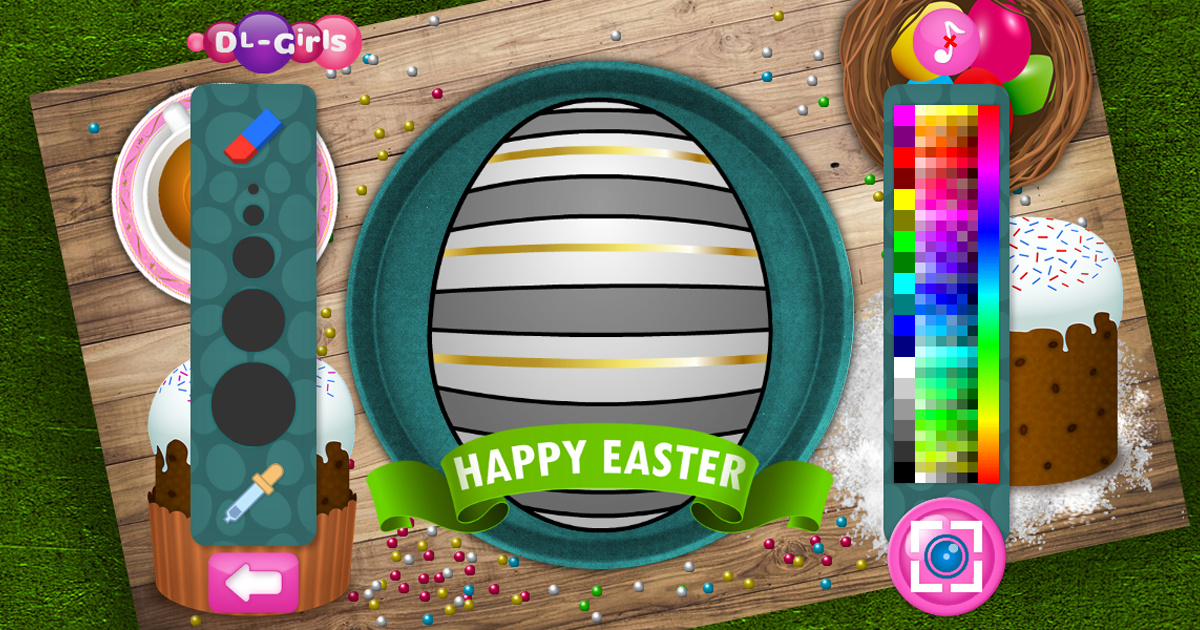

Indeed, Easter has come! The Easter egg acts as a symbol of the spring festivity along with the Easter cake and cottage cheese Easter. The egg represents life, revival, and the tradition of egg decorating for Easter has roots in ancient times. As the story goes, Mary Magdalene presented the first Easter egg to the Roman ruler Tiberius to announce the miraculous resurrection of Jesus Christ. In another narrative, it is mentioned that the Virgin Mary began the tradition of coloring eggs to entertain the young Jesus Christ.
The shade of an egg is defined by its dye, and the color itself carries meaning: red is a regal shade, representing God’s love for humanity, while blue signifies the Blessed Virgin, evoking compassion, hope, and love for others. White is a divine color that signifies purity and spirituality, whereas yellow, like orange and gold, represents prosperity and abundance. Green, a mix of blue and yellow, symbolizes growth and renewal. Multicolored and adorned eggs create a cheerful ambiance and constitute the core of Easter celebrations. Everyone delights in activities associated with Easter eggs, especially children. It is a time for imagination. Let’s get paints and brushes ready. Turn each egg into a work of art.
*mouse*
Handmade Easter Eggs Coloring Book Screen Shots: